
Ashlar Blog
How Do You Know If a New Construction Home Is Actually a Good Value?
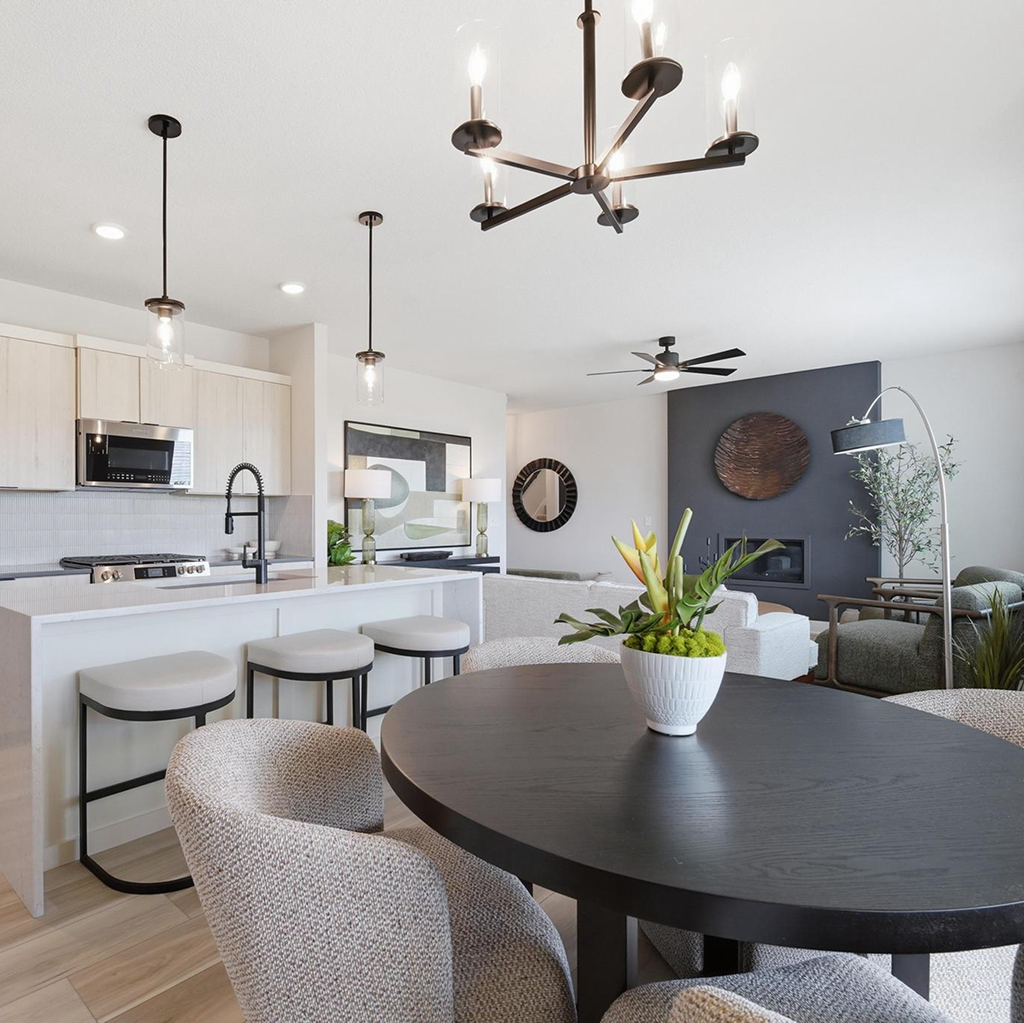
When you’re shopping for a new home, it’s easy to focus on the price tag.
But price only tells you what a home costs.
Value tells you what you’re getting for what you pay.
That’s an important distinction when you’re buying new construction.
A new home isn’t automatically a good value simply because nobody has lived in it before. The real value comes from what the home offers for your investment: thoughtful design, quality construction, modern functionality, lower immediate maintenance, a well-planned community, and a price that fits your budget.
For today’s homebuyer, finding that balance matters.
At Ashlar Homes, we believe new homeownership should feel attainable without sacrificing the things that make a home feel like home. That’s why we focus on building thoughtfully designed homes and communities that give people a place to live, grow, and put down roots.
So, how do you know if a new construction home is actually a good value?
Start With More Than the Price
When you’re comparing new homes, price is naturally one of the first things you’ll look at.
But two homes with similar price tags can offer very different experiences.
- One may have a floor plan that doesn’t work well for your lifestyle. Another may give you the bedrooms, storage, and living spaces you actually need.
- One may require significant upgrades to get the home where you want it. Another may include the features and finishes that matter most to you from the beginning.
- One may be located in a community that makes your daily routine easier. Another may put you farther from work, schools, shopping, or the places you spend your time.
That’s why the better question isn’t simply: “How much does this home cost?”
It’s: “What am I getting for what I’m paying?”
That’s where the real value of a new construction home starts to become clear.
What Makes New Construction Different?
One of the biggest advantages of buying new is that you’re starting with a home designed and built for today’s homeowner.
That can mean:
- Modern floor plans
- Open, functional living spaces
- Updated kitchens and bathrooms
- Current building standards
- New major systems and appliances
- Modern storage solutions
- Energy-conscious construction and features
- Fewer immediate repair and replacement needs
- Builder warranty coverage
None of these things automatically make a home the right choice.
What matters is whether they provide real value for the way you live.
A feature isn’t valuable simply because it’s new. It’s valuable when it makes your home more comfortable, functional, efficient, or enjoyable.
That’s why evaluating new construction should go beyond asking what comes standard.
Ask yourself: “How will this home make everyday life better?”
Good Design Is Part of the Value
One of the most important parts of a new home is something you may not notice immediately: how well the home is designed.
A thoughtfully designed floor plan can make a home feel larger, more functional, and easier to live in without adding unnecessary square footage.
Consider how the spaces connect.
- Is the kitchen positioned where you naturally gather?
- Is there enough storage?
- Does the entry have a practical place for shoes, bags, and everyday items?
- Can the living spaces accommodate family and friends?
- Is there room for a home office or flexible space?
- Do the bedrooms provide privacy?
- Can the home adapt as your needs change?
These details matter because you’re not simply buying square footage.
You’re buying how that square footage works for your life.
At Ashlar, we believe thoughtful design is an important part of making new homeownership more attainable. The goal isn’t to build the biggest house possible. It’s to build a home that uses its space well and gives homeowners the functionality they actually need.
Attainable Doesn’t Mean Cutting Corners
For many buyers, affordability is one of the biggest considerations in the home search.
But there’s an important distinction between attainable and simply cheap.
A lower price doesn’t necessarily mean a better value if you’re sacrificing quality, functionality, or the things that make a home work for your life.
Attainable homeownership is about finding the right balance.
That means being thoughtful about the home, the floor plan, the features, the community, and the overall cost, so buyers aren’t paying for things that don’t meaningfully improve their everyday lives.
Attainable doesn’t mean cutting corners. It means being intentional about where every dollar goes.
That’s an important part of how we think about building at Ashlar Homes.
We want to create new homes that give more people the opportunity to experience the benefits of new construction while keeping the overall investment within reach for more buyers.
Look at the Total Cost of Owning the Home
The purchase price is only one part of what a home will cost you.
When evaluating a new construction home, consider the bigger financial picture:
- Mortgage payment
- Property taxes
- Homeowners insurance
- HOA or community fees
- Utilities
- Maintenance
- Closing costs
- Future improvements
- Financing costs
New construction can provide value by reducing some of the immediate repair and replacement expenses that can come with an older home.
You’re starting with new major systems, new appliances, and a home built to current standards rather than inheriting years of someone else’s maintenance decisions.
That doesn’t mean a new home has no ongoing costs. Every home does.
But understanding the difference between buying new and buying someone else’s deferred maintenance can help you make a more informed comparison.
Your Time Has Value, Too
Homeownership isn’t just about money.
It’s also about time.
Maintenance, repairs, painting, landscaping, and unexpected projects can all take time away from the things you would rather be doing.
For some homeowners, those projects are part of the fun.
For others, minimizing them is a major benefit.
That’s where new construction can provide another type of value.
A new home typically means newer systems, newer materials, and fewer immediate repairs to address. Depending on the home and community, buyers may also have access to maintenance options or amenities that make everyday life easier.
The question isn’t whether maintenance is good or bad.
It’s: “How do I want to spend my time as a homeowner?”
Your time has value, too.
The Community Is Part of the Home
A new home doesn’t exist in isolation.
You’re also choosing a community.
That matters because so much of everyday life happens outside your front door.
Think about:
- Parks and green spaces
- Community amenities
- Places to gather
- Nearby shopping and dining
- Schools
- Major roads and commute routes
- Outdoor recreation
- The overall feel of the neighborhood
A thoughtfully planned community can make it easier to connect with neighbors, spend time outside, and build routines that fit your lifestyle.
That’s why we don’t believe building a home is only about the structure itself.
We Build Community.
For us, that means thinking about the places we’re creating and the people who will live in them. A home should give you a place to live. A community should give you a place to belong.
The Builder Is Part of the Value
When you buy a new construction home, you’re not just buying the finished house. You’re buying the company behind it.
The builder’s approach can affect your experience before, during, and after construction.
That’s why it’s worth researching:
- Builder reputation
- Construction quality
- Experience
- Warranty coverage
- Communication
- Customer reviews
- How the builder handles questions and concerns
- The communities the builder develops
A new home should give you confidence not only in what you’re buying, but in who is responsible for building it.
At Ashlar, we believe the relationship shouldn’t end when you receive the keys.
Building a home is a significant investment, and the experience of getting there matters.
Don’t Let Upgrades Distract You From Value
When you walk through a new construction home, it’s easy to get caught up in all the possibilities.
- Upgraded countertops.
- Larger islands.
- Luxury flooring.
- Additional fixtures.
- Expanded patios.
- Upgraded finishes.
Those things can be exciting, but more isn’t always better.
The question is whether an upgrade improves the way you will live in the home.
A buyer may value a large kitchen island more than upgraded flooring. Another may care more about a flexible room that can become an office. Someone else may prioritize outdoor living space or additional storage.
The best home isn’t the one with the most upgrades. It’s the one with the right features for you.
That is another reason thoughtful home design matters.
What About Builder Incentives?
Builder incentives can be an important part of the financial equation when purchasing a new home.
Financing incentives, closing-cost assistance, or other offers may help reduce the upfront or ongoing cost of buying, but an incentive shouldn’t be the reason you choose a home that doesn’t otherwise fit your needs.
Start with the home. Then look at the incentive.
Ask: “Would I want this home if this incentive weren’t available?”
If the answer is yes, the incentive can be an added benefit.
If the answer is no, it may be worth taking another look at whether the home itself is the right fit.
The strongest value comes when the home, the community, and the financial opportunity all make sense together.
How Do You Compare Two New Construction Homes?
Imagine you’re comparing two new homes.
Home A
$325,000
It has a lower price, but the floor plan doesn’t provide the workspace you need. Some features you care about require upgrades, and the community has fewer amenities and conveniences nearby.
Home B
$350,000
It costs more, but it has the layout you need, better storage, the features that matter most to you, and a location that better fits your daily routine.
Which one is the better value?
It depends.
That’s the point.
The $25,000 difference doesn’t tell you enough by itself.
You have to look at what you’re getting in return.
The better value may be the home that gives you the right combination of:
Price + quality + functionality + location + community + long-term fit
That’s how you should compare new construction homes.
Five Questions to Ask Before Buying a New Construction Home
When you’re touring new homes, keep these five questions in mind.
1. Does the price fit my overall budget? Don’t stop at the purchase price. Consider your estimated monthly payment, taxes, insurance, HOA costs, utilities, and other ownership expenses.
2. Does the home work for the way I live? Think about bedrooms, storage, workspace, entertaining, outdoor living, and how your needs may change over time.
3. Am I paying for things I actually value? Look at the included features and available upgrades. Prioritize what will make a meaningful difference in your everyday life.
4. Does the community fit my lifestyle? Consider amenities, location, schools, commute, recreation, and the type of neighborhood you want to call home.
5. Do I feel confident in the builder? Research the builder’s reputation, construction approach, warranty, communication, and commitment to its homeowners. If you can answer those questions confidently, you’re looking at much more than a price tag. You’re evaluating the complete value of the home.
The Best Value Is the Home That Makes Sense for You
Buying a new home is a significant decision.
- You want a home that fits your budget without feeling like you’re settling.
- You want thoughtful spaces without paying for things you don’t need.
- You want the benefits of new construction without losing sight of the overall cost.
- And you want a community where you can see yourself living, growing, and putting down roots.
That’s what makes a new construction home a good value.
- Not simply that it’s new.
- Not simply that it’s affordable.
- And not simply that it has a long list of features.
It’s the combination of what you’re getting, what you’re paying, and how well the home fits the life you’re building.
At Ashlar Homes, that’s what we strive to create.
We build new homes with thoughtful floor plans, modern functionality, and attainable price points. But we know a home is only part of the picture. The neighborhoods we build become places where families grow, neighbors connect, and everyday moments happen.
Because at the end of the day, we’re not just building houses.
We Build Community.
Frequently Asked Questions
What makes a new construction home a good value?
A good-value new construction home offers the right balance of price, quality, functionality, location, and long-term ownership costs. It should provide features and spaces that genuinely support the way you live.
Is new construction worth the cost?
New construction can offer value through modern design, newer systems, current building standards, lower immediate maintenance needs, and warranty coverage. Whether it’s worth the cost depends on the specific home and what matters most to you.
Is new construction more affordable than buying an existing home?
Not necessarily. The purchase price of new construction can be higher or lower than a comparable existing home depending on the market, location, size, and features. It’s important to compare the total cost and overall value rather than price alone.
What should I look for when buying a new construction home?
Look at the floor plan, construction quality, included features, available upgrades, energy efficiency, expected maintenance, community, location, builder reputation, and warranty coverage.
Are builder incentives a good reason to buy a new home?
Incentives can provide meaningful financial benefits, but they shouldn’t replace evaluating whether the home itself is right for you. Consider the home first, then evaluate how the incentive affects the overall purchase.
Why does the community matter when buying a new home?
A community affects much of your everyday experience outside the home. Amenities, schools, recreation, nearby conveniences, commute, and the overall neighborhood environment can all influence how well a home fits your life.
What does “attainable homeownership” mean?
Attainable homeownership means creating opportunities for more buyers to purchase a well-designed, quality home without paying for features or space that don’t meaningfully improve their everyday lives.
For Ashlar Homes, it means being intentional about how we design and build so the value of the home aligns with the investment.

Explore What Home Could Be
Discover available homes or explore our communities to find the right fit for your lifestyle.